
20 Years of the Office: What’s Changed, What Hasn’t and What Comes Next
How the workplace has changed over the last 20 years is clear: offices have moved from fixed desks and predictable routines to more flexible, purpose-led spaces shaped by hybrid working, culture and collaboration.
However, the fundamentals remain the same: businesses still need workplaces that work for their people, support the way they operate and make sense long after the project is complete.
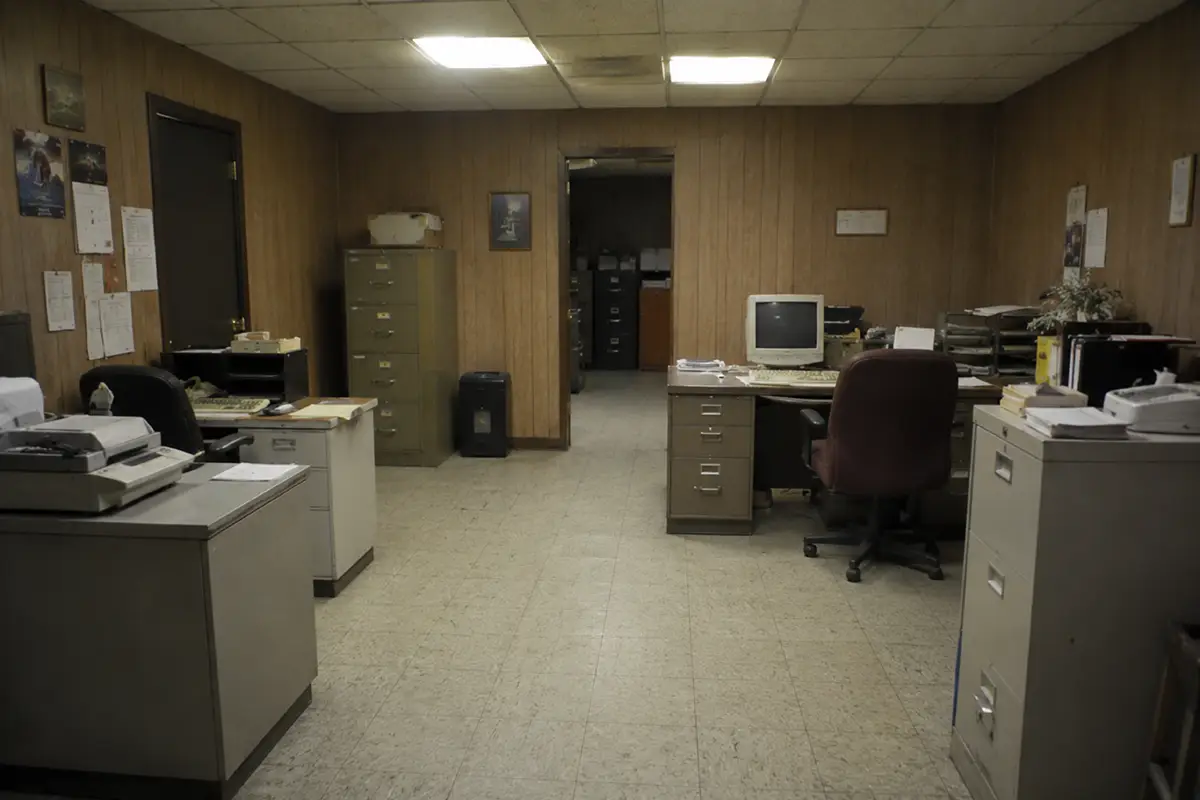
If you were working in an office twenty years ago, you’ll know that it looked and felt very different. That office was built around a very different working day, usually from 9 to 5. Most people had a fixed desk, technology was less mobile, documents were still printed and posted and the idea of hybrid working had not yet entered the workplace vocabulary.
To say a lot has changed since then would be an understatement.
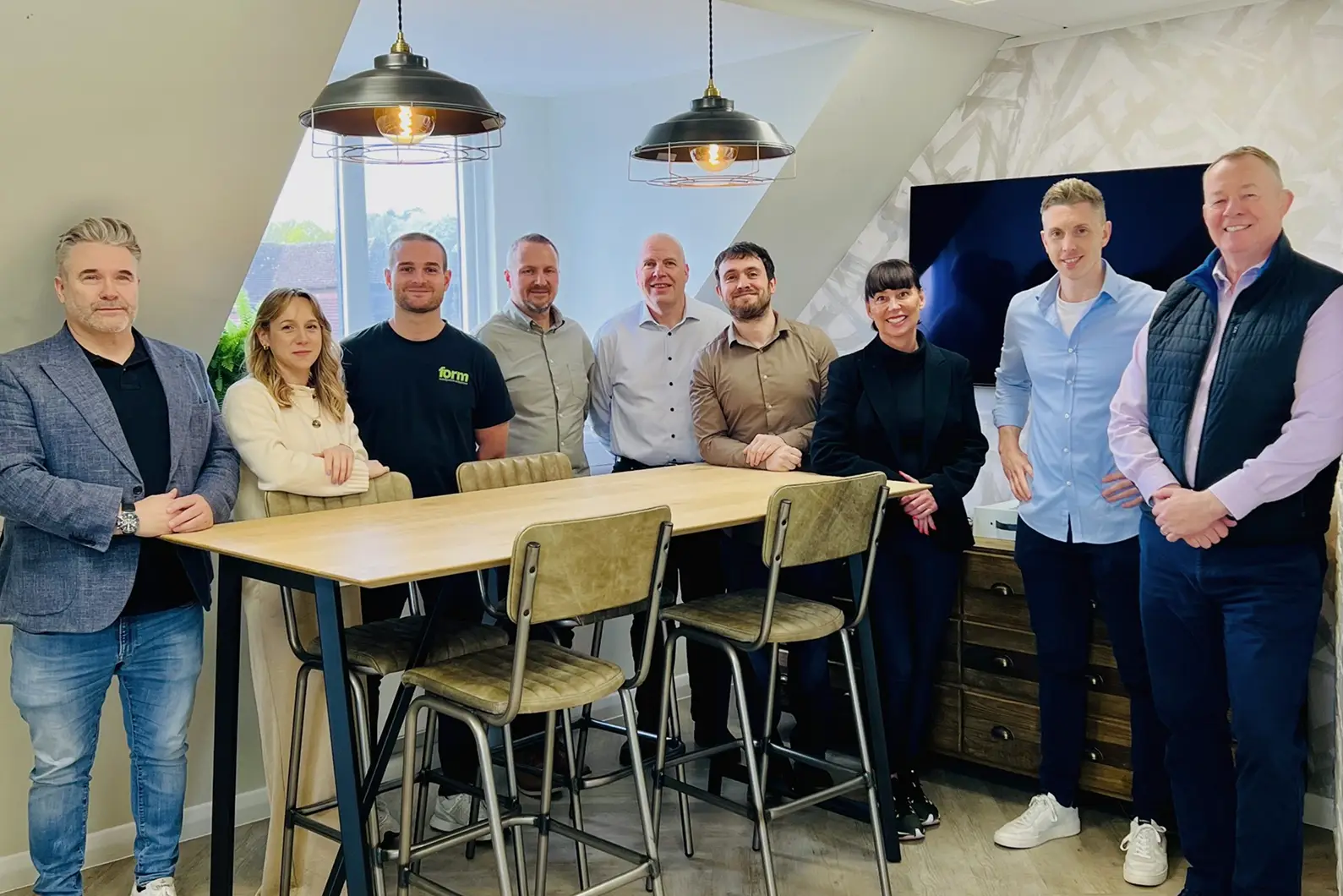
As Form celebrates 20 years, we have been reflecting on how the workplace has changed over the past two decades. Not just in terms of technology, furniture or design trends but in what businesses now need their offices to do.
The office is no longer simply a place people go to work. It has to:
- support collaboration, focus and communication
- help attract and retain talent
- reflect culture, strengthen brand and give people a reason to come together.
Yet for all that change, some things have remained reassuringly consistent. Businesses still need clarity, confidence and spaces that work in practice, not just on paper and they still need workplace partners who understand both the design ambition and the reality of delivering it.
How the Workplace Has Changed Over the Last 20 Years
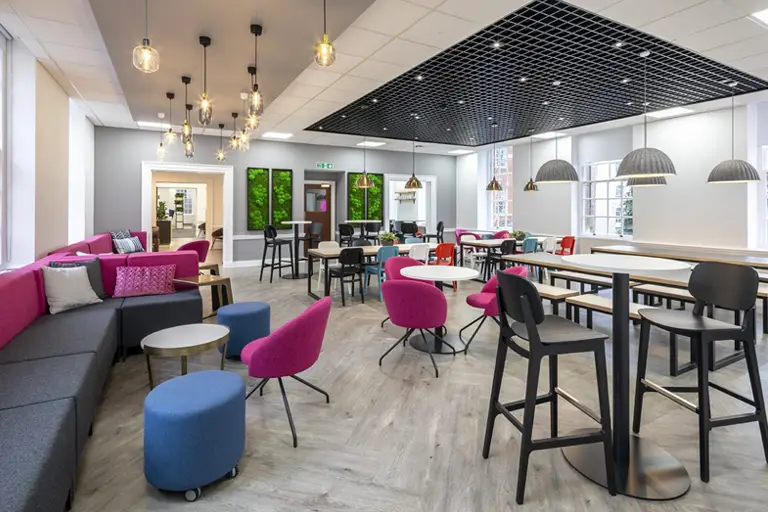
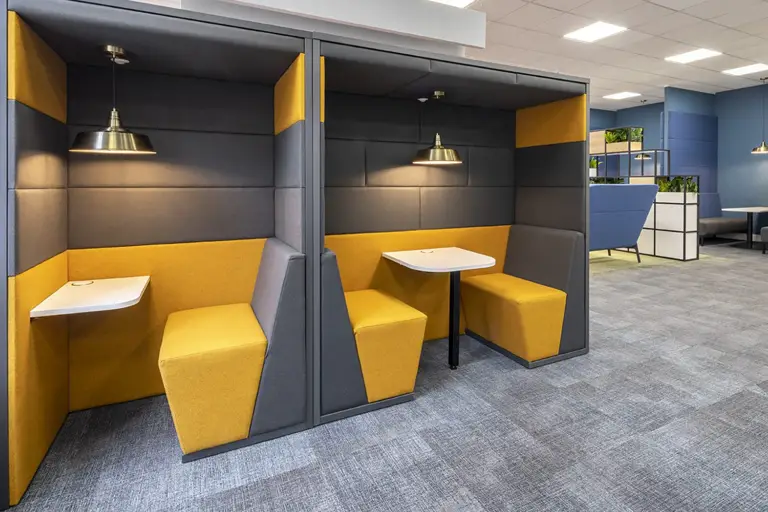
The evolution of the workplace has been shaped by technology, changing expectations and, more recently, the shift towards hybrid working.
Twenty years ago, many offices were designed around presence. The assumption was simple: most people would be in the office, most of the time, at their own desk. Space planning reflected that, with dedicated workstations, formal meeting rooms and support spaces built around fairly predictable routines.
Today, the picture is more complex.
People use the office in different ways on different days. Some come in for collaboration, meetings and team connection. Others need quiet space for focused work. Some teams are in regularly, while others work across multiple locations. The modern workplace has to flex around those patterns without becoming confusing, inefficient or underused.
That shift has changed the role of workplace design.
Good office design is no longer about fitting as many desks as possible into a floorplan. It is about understanding behaviour. How do people work? Where do conversations happen? What supports concentration? What encourages collaboration without creating noise and distraction?
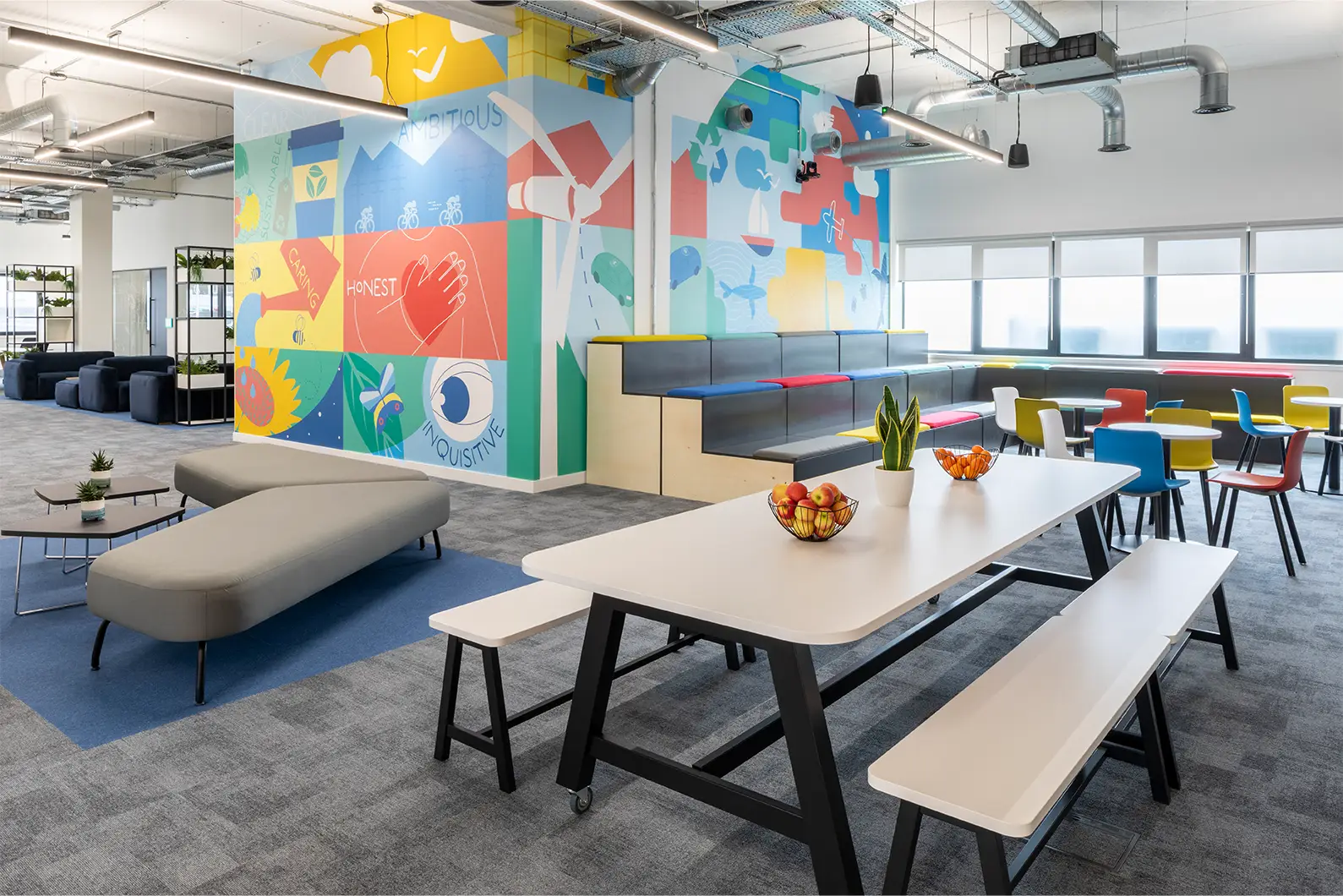
This is where the evolution of office design has been most noticeable. The best workplaces now balance practical needs with a stronger sense of purpose. They support wellbeing, encourage movement, provide choice and reflect the identity of the business.
For many organisations, hybrid working has also changed the question from “How many desks do we need?” to “What does our office need to achieve?”
That is why designing for a hybrid workplace is more than a layout exercise. A workplace designed only around occupancy can quickly feel empty or disconnected. In contrast, when it’s designed around purpose, it can bring people together, support culture, improve communication and create moments that are hard to replicate remotely.
That does not mean every office needs statement features or gimmicks. The most successful spaces are often the ones where the design feels considered rather than forced: places to focus properly, meeting rooms that work, breakout areas people naturally use, good acoustics, comfortable furniture, reliable technology and spaces that suit different tasks throughout the day.
The future of office design will not be about novelty for its own sake but workplaces that make sense for the people and businesses using them.
What Hasn’t Changed?
While the evolution of office design has been significant, the pressures behind workplace projects have remained familiar. Businesses still worry about cost, disruption, making the wrong decision and whether the finished space will work for their people, their clients and their future plans.
Those concerns are not new. What has changed is the level of expectation around how they are managed. Clients now expect more than a good-looking design. They need:
- realistic advice, clear costs, practical timelines and honest conversations early in the process
- to know where the risks are before they become expensive problems
- a team that can keep momentum without creating chaos.
That matters because a workplace project is rarely just about the space itself.
For senior decision-makers, it carries commercial risk.
For facilities and operations teams, it affects the day-to-day experience of staff.
For landlords and agents, it can influence marketability, speed and the value of the asset.
The principles of a successful workplace project have not changed as much as the workplaces themselves. Good planning, communication, detail and accountability all still matter and a space still has to work once the project team has left site.
What 20 Years Has Taught Us About Successful Workplace Projects
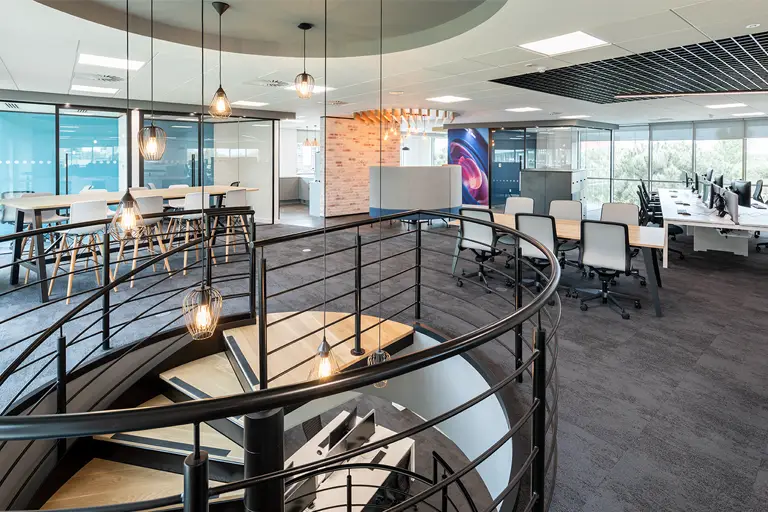
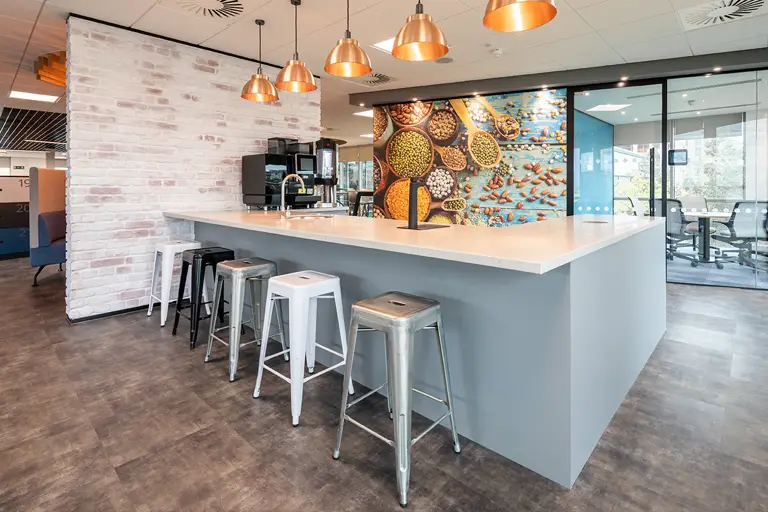
After 20 years in workplace design and delivery, one thing is clear: the most successful projects are rarely just about design. They happen when creativity and practicality work together. A strong concept matters. A workplace should feel thought through, distinctive and aligned with the business it represents but design ambition only has value if it can be delivered properly. The details have to be buildable, costs realistic, materials suit the way the space will be used. The programme must respect the needs of the business. That is where experience makes a difference.
Workplace projects involve moving parts: budgets, landlords, contractors, staff, furniture, services, compliance, technology, decision-makers and deadlines. When those elements are not managed properly, even a straightforward project can start to feel stressful.
A good partner brings calm to that process. They can look at a space and see both possibility and constraint. They’ll challenge ideas without closing down ambition. And they can explain what will work, what will not and where a different route may give a better result.
They also understand that a workplace is not a showroom. It is a live business environment that needs to perform commercially, culturally and operationally.
That is as true now as it was 20 years ago.
What Comes Next?
Looking back at how the workplace has changed over the past 20 years, the next stage is likely to be less about dramatic change and more about greater intent.
Businesses will continue to question how much space they need, how that space is used and what value it creates. Offices will need to be flexible but not vague. They will need to support collaboration without forgetting focus. They will need to express brand and culture without becoming style over substance.
The office is not disappearing, but it is becoming more deliberate and that is a good thing.
When a workplace is designed with purpose and delivered with care, it does so much more than house a team. It can support change, strengthen identity, improve the working day and help people feel more connected to the business they are part of.
Twenty years of the office tells us that trends will always change. Technology will keep moving. Working patterns will continue to shift, expectations will evolve but the fundamentals remain.
As Form celebrates 20 years, we are proud to have seen the workplace change and to have helped businesses create spaces that respond to that change. Not just spaces that look exceptional but spaces that work exceptionally well.
If you are reviewing your current office, planning a future move or thinking about how your workplace needs to change, we’d love to talk through your next project, get in touch!